
Valerio Cozzi
Rain garden
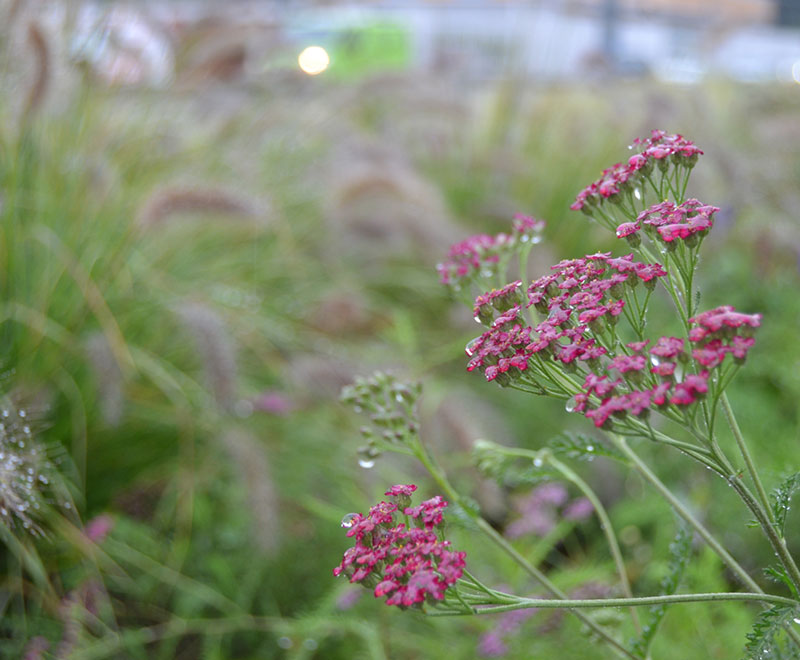
Typology: Rain garden for urban revitalization
Location: San Vittore Olona, Milan, Italy
Area: 270 m2
In partnership with: Kostruire, Green Service srl – Rovato (Brescia)
Services: Landscape analysis, Concept to final design, Specialist construction supervision for green works, Technical assistance to the PM, handover assistance
Year: 2023
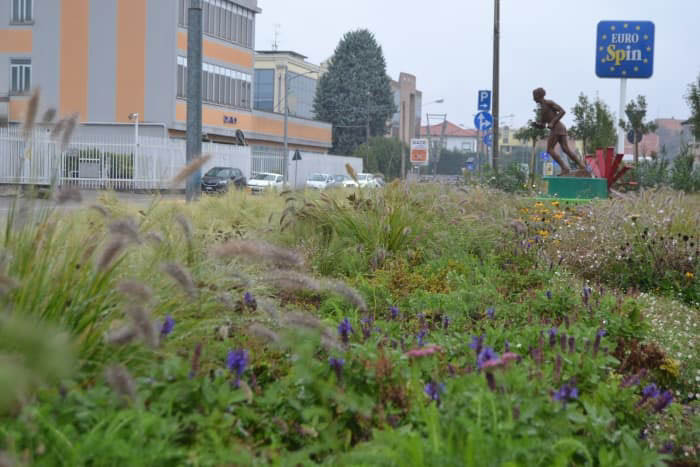
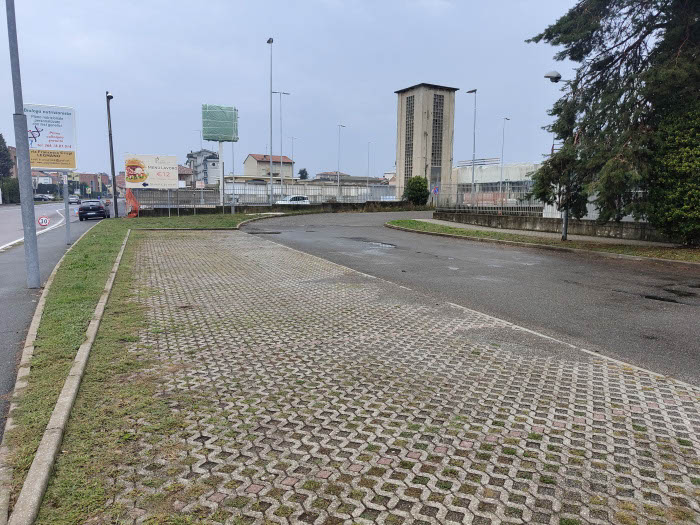
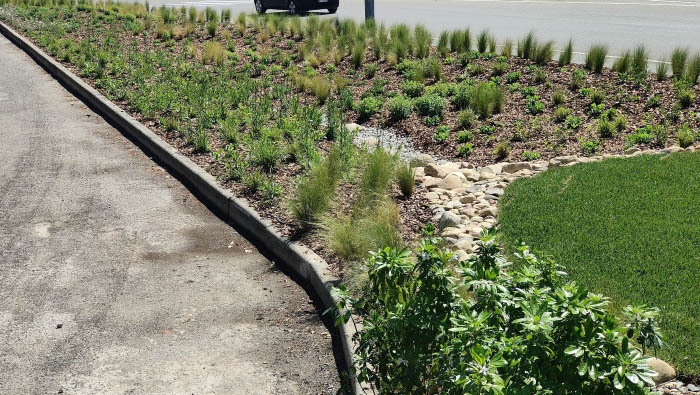
A rain garden featuring resilient, low-maintenance herbaceous plants has replaced a parking lot along the Sempione State Road 33 in San Vittore Olona. The rain garden’s 270-square-meter catchment area was created by converting ten parking spaces and a lawn patch.
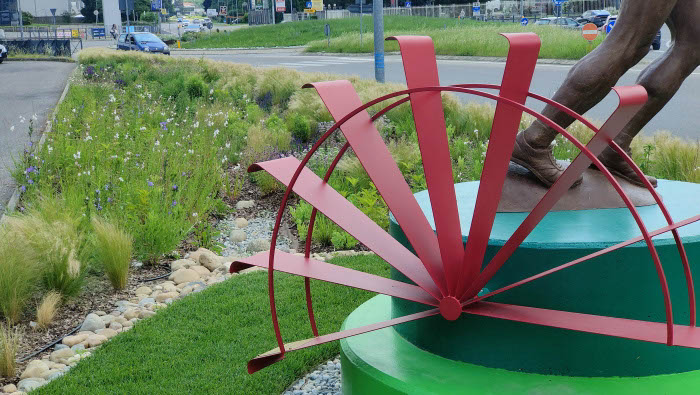
Responding to the initial request to simply decorate with a little greenery around a newly installed sculpture, the landscape project delivered a functional, nature-based solution: a sloping rain garden designed to intercept and retain stormwater, allowing it to gradually infiltrate into the ground.
Gallery

Scheme
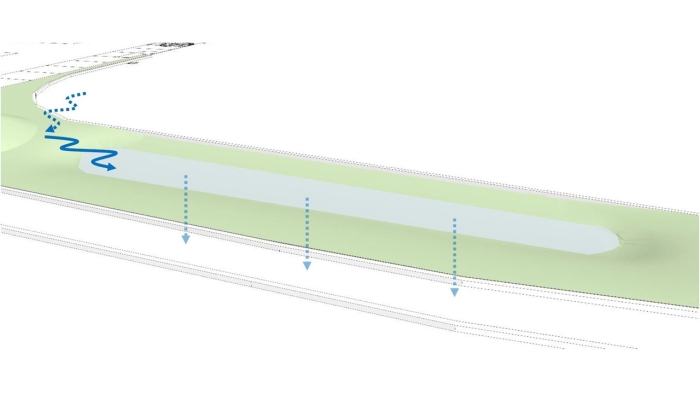
The rain garden collects rainwater both directly and via a connection to an existing drainage channel. The root-soil system enables the gradual infiltration of water into the subsoil and recharges the groundwater.
Concept
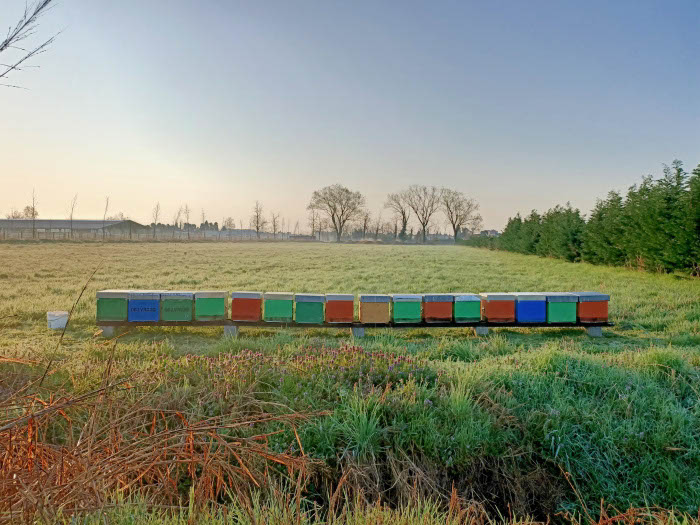
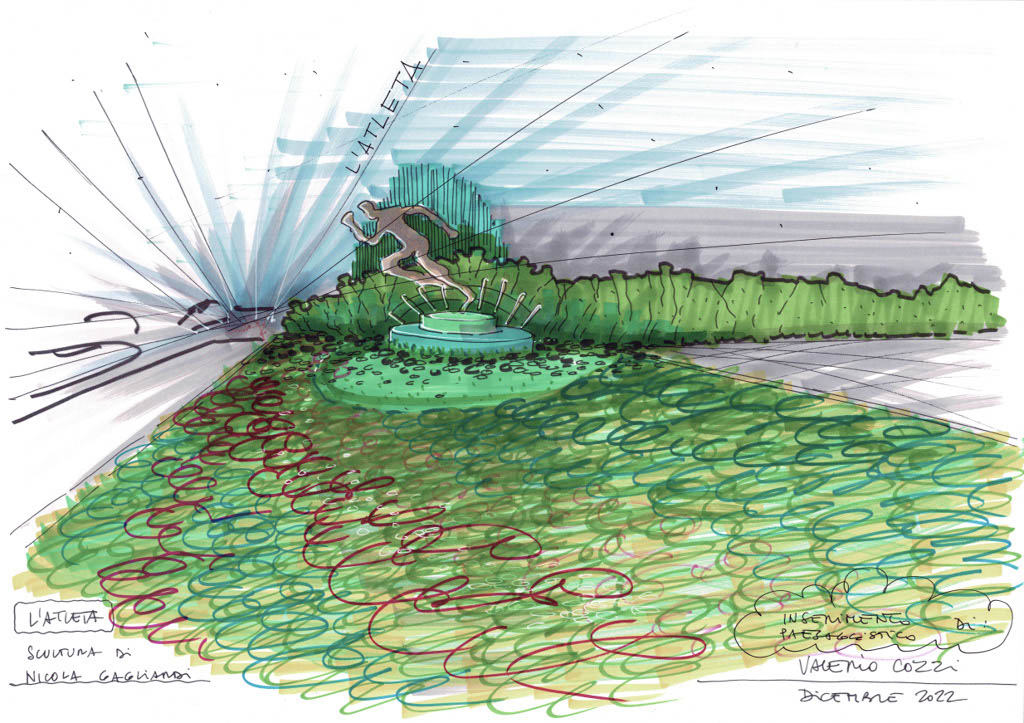
The landscape integration project is rooted in the heritage of the ‘5 Mulini’ cross-country race, to which the sculpture is dedicated. This historic event achieved its international renown thanks to the preservation of the local agricultural fabric, defined by fields, dirt roads, and traditional farmhouses (‘cascine’).
The blossoming island of the rain garden is designed to evoke the open fields that stretch just beyond the SS33 highway, reclaiming a portion of the urban environment for nature. In addition to supporting biodiversity, this de-paving and de-sealing intervention sustainably reduces the stormwater load on the sewer system through Nature-based Solutions (SuDS).

The rain garden, step by step
- Preliminary analysis and feasibility
The first step involved verifying utilities, site levels, and grading. The setting represents a typical urban fragment made completely impermeable by road networks and consecutive commercial activities. The feasibility study allowed an existing drainage channel to be integrated into the design, also collecting runoff coming from an uphill road.
- Keyword: de-sealing! de-sealing!
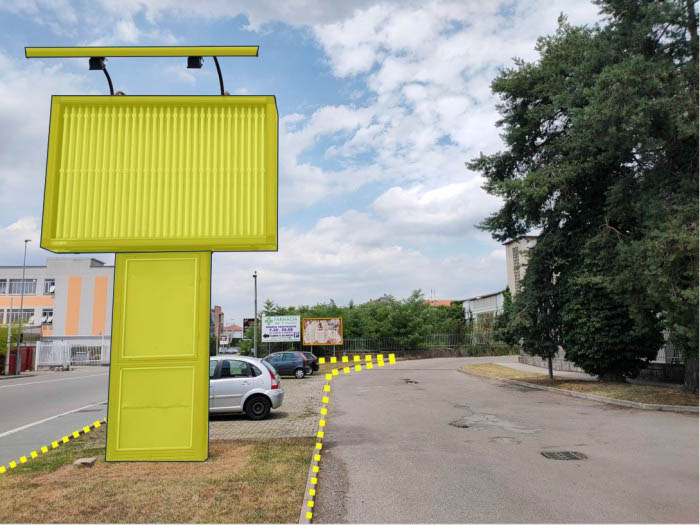
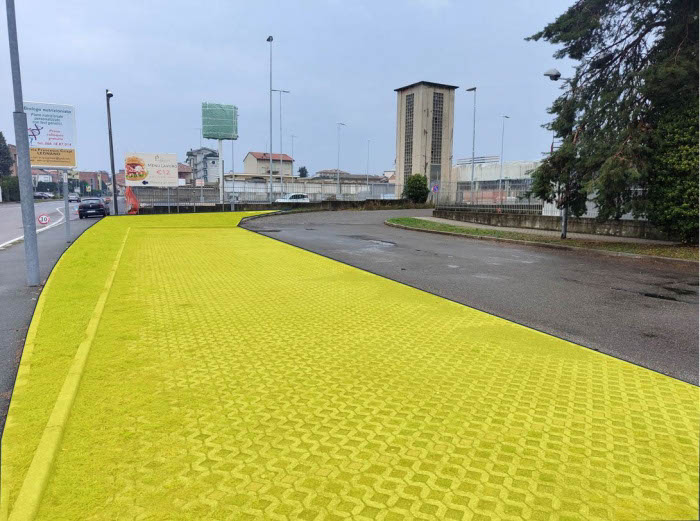
Work began with the removal of the concrete interlocking pavers and their underlying sub-base, a fundamental step to restore the natural drainage of rainwater. To ensure full visibility of the sculpture, the landscape intervention removed existing billboards, positioning the artwork exactly at the vantage focal point for onlookers arriving from Milan.
- Soil grading and modeling
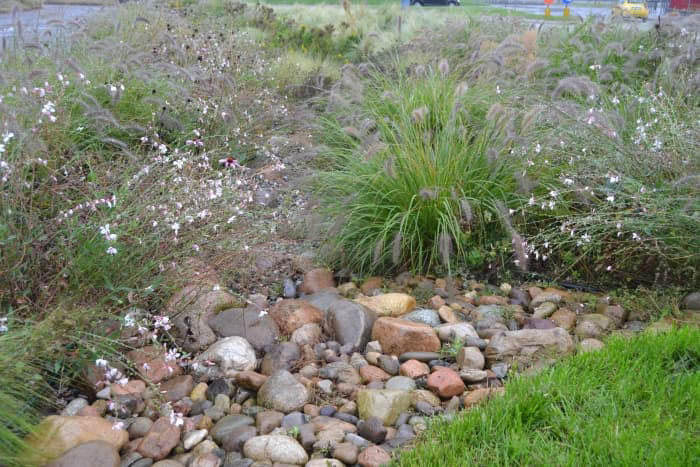
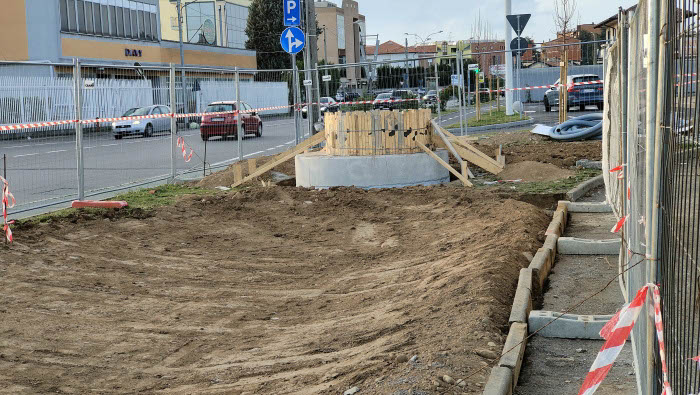
The ground was then modeled to create a longitudinal depression of approximately 30 centimetres relative to the adjacent pavement level. This controlled excavation generated a blossoming infiltration area with a total length of 50 meters and a width varying from 0.5 to 6 meters.
- Survival kit
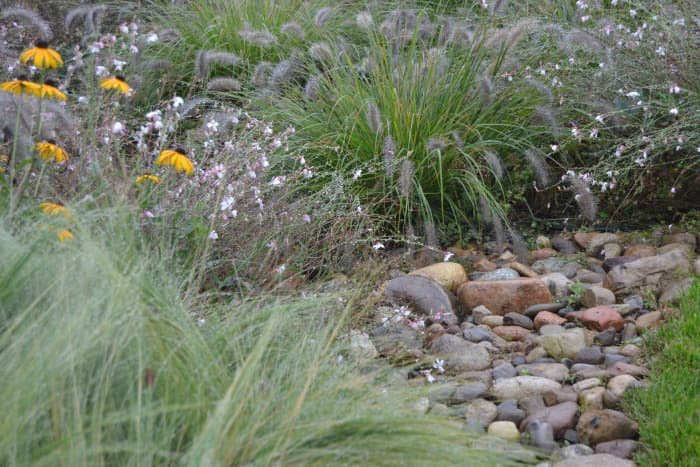
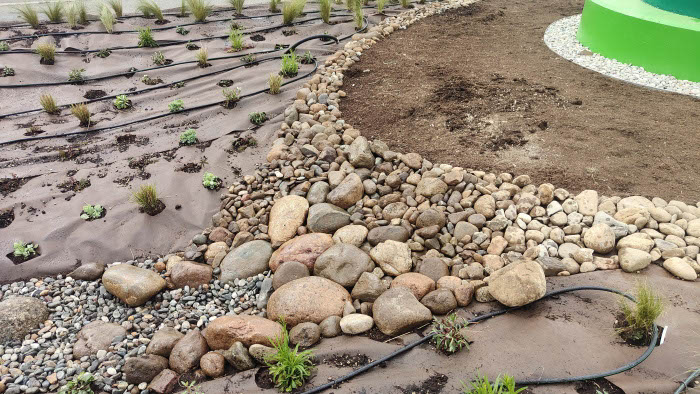
Before planting the vegetation, organic matter was added to the clay soil to improve its texture and facilitate root development. Following this, to give the selected herbaceous plants enough time to establish and completely cover the surface, a well-draining, biodegradable mulching mat was installed. Embracing a circular economy approach, the gravel and stones set aside during soil preparation were repurposed on-site to define the perimeter and guide the flow of stormwater. Finally, a drip irrigation system was laid down to support initial plant establishment and provide vital backup watering during prolonged periods of drought.




Plant design
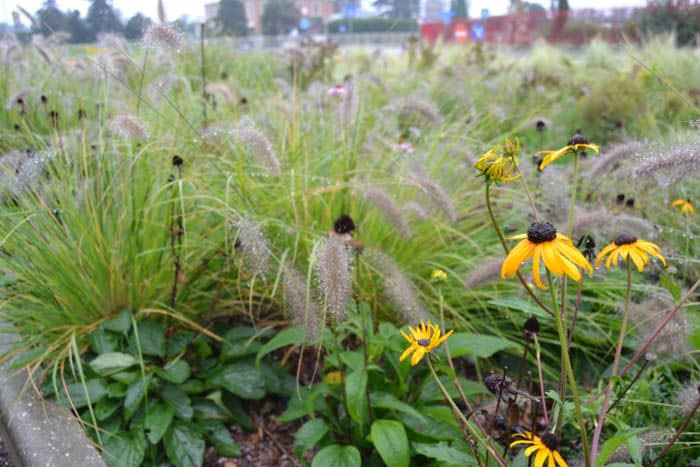
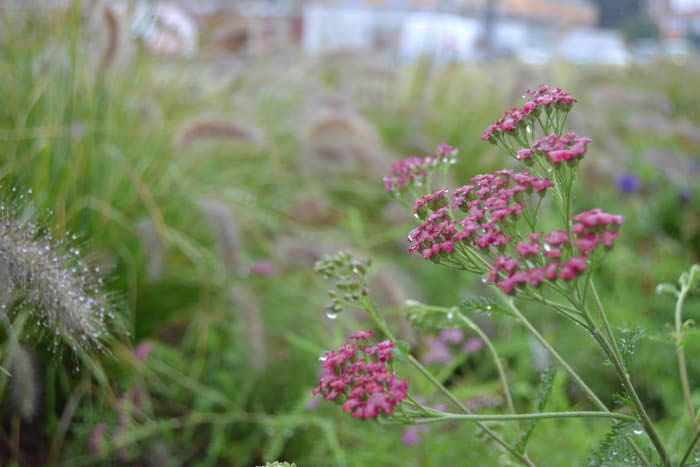
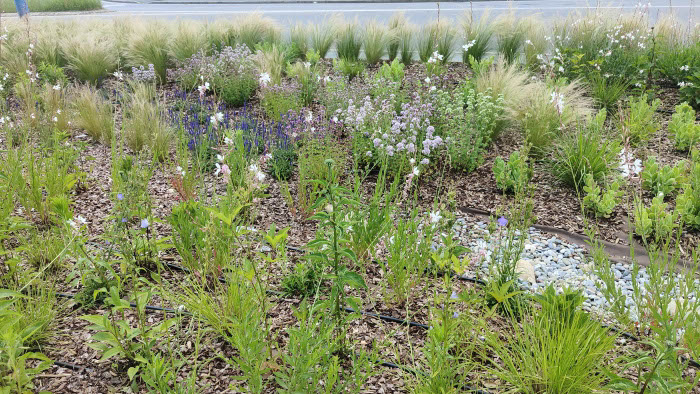
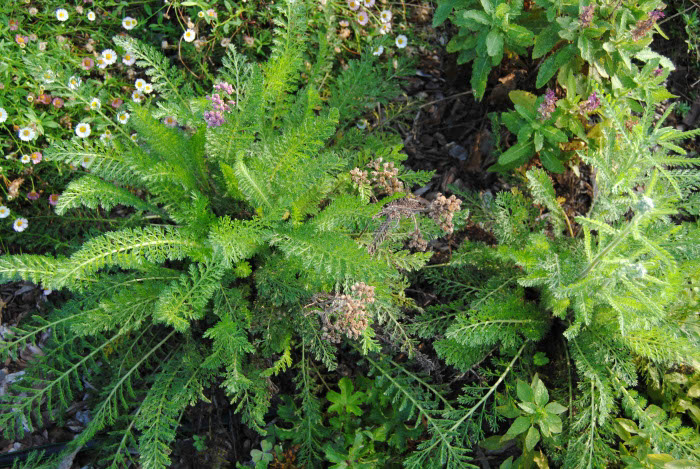
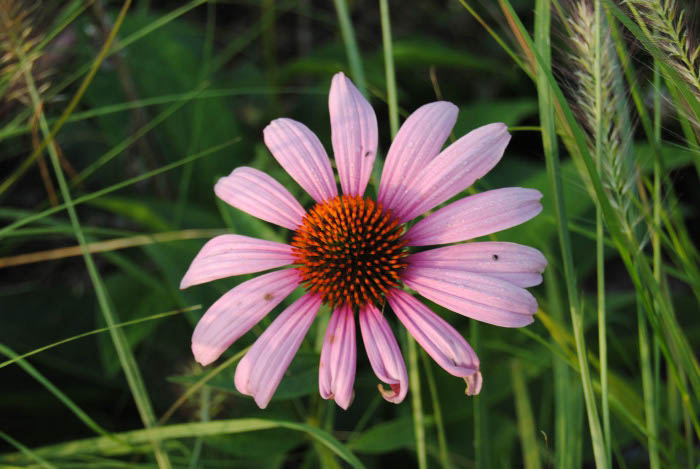
Where parked cars once used to crowd the space, a continuous succession of yarrow, bellflower, coneflower, beeblossom, black-eyed Susan, and sage blooms now unfolds from March to October.
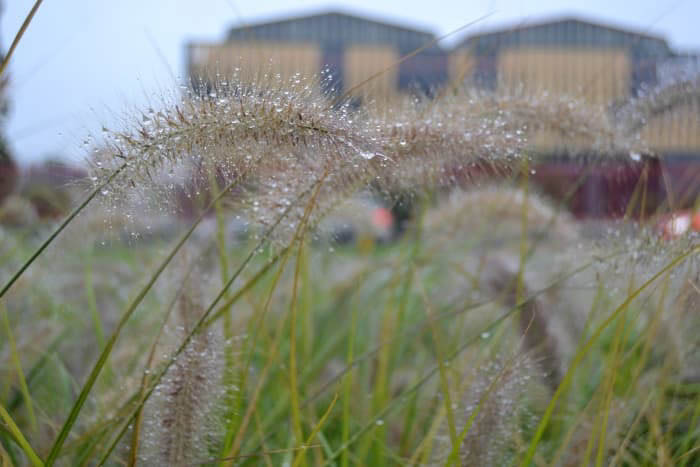
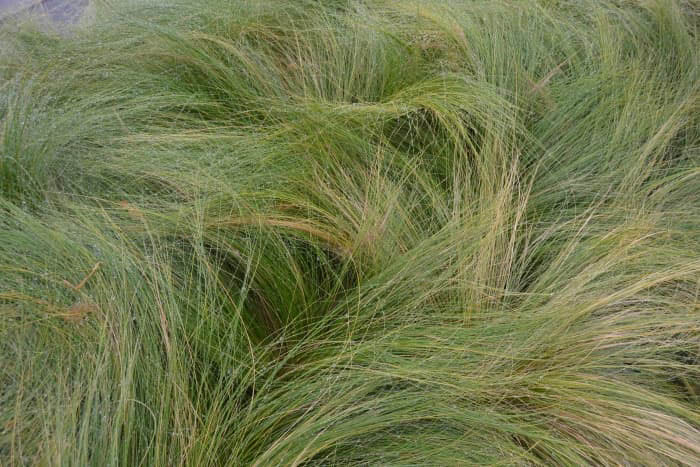
A border of Mexican feather grass (Stipa tenuissima) runs along the edge facing the SS33 highway, sheltering the heart of the flowerbed from wind currents and providing an evergreen backdrop for the herbaceous composition.
The species were meticulously selected and positioned based on their ability to tolerate both temporary root submersion and prolonged periods of drought. The dense, creeping spread of perennial groundcovers, such as Erigeron karvinskianus and Origanum vulgare, successfully controls soil erosion.
Over time, as a biologically active ecosystem establishes, the system will achieve more than just stormwater management: it will also actively remove urban pollutants through mechanical soil filtration and phytoremediation carried out by the plant root systems.




Cultivating visions, growing projects
Let’s start!